
Nuovo
 Visualizza ingrandito
Visualizza ingrandito
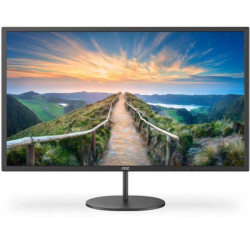
AOC G4 U32G4U, 80 cm (31.5"), 3840 x 2160 Pixel, 4K Ultra HD, 1 ms, Nero, Rosso
MPE103885-RC-1
Nuovo prodotto
Maggiori informazioni
I prodotti elettrici o elettronici possono contenere piccole quantità di sostanze pericolose (RoHS). Per ogni prodotto conforme alla normativa RoHS viene verificata la presenza di Piombo (Pb), Cadmio (Cd), Mercurio (Hg), Cromo esavalente (Cromo VI), Bifenili polibromurati (PBB) ed Etere di difenile polibromurato (PBDE). Per il Cadmio e il Cromo esavalente può essere presente una concentrazione massima dello 0,01% del peso del prodotto. Per Piombo, PBB e PBDE non si può andare oltre lo 0,1%. Ogni prodotto conforme alla normativa RoHS può avere 100 ppm o meno di mercurio e il mercurio non deve essere stato intenzionalmente aggiunto.
REACH (Registration, Evaluation, Authorization, and Restriction of Chemicals) is a regulation of the European Union, adopted to improve the protection of human health and the environment from risks that can be posed by chemicals.
The letters ‘CE’ appear on many products traded on the extended Single Market in the European Economic Area (EEA). They signify that products sold in the EEA have been assessed to meet high safety, health, and environmental protection requirements. When you buy a new phone, a teddy bear, or a TV within the EEA, you can find the CE mark on them. CE marking also supports fair competition by holding all companies accountable to the same rules. CE marking is a part of the EU’s harmonisation legislation, which is mainly managed by Directorate-General for Internal market, Industry, Entrepreneurship and SMEs. The CE marking for Restriction of Hazardous Substances is managed by Directorate-General for Environment. Comprehensive guidance on the implementation of EU product rules can be found in the so-called Blue Guide.
F means that the product is rated in its category in terms of energy efficiency. The Energy Labeling system is based on EU Regulation 2017/1369/EU.
UK Conformity Assessed (UKCA) marking is a conformity mark that indicates conformity with the applicable requirements for products sold within Great Britain.
30 altri prodotti della stessa categoria:
-

27 AOC...
-

27 AOC...
-
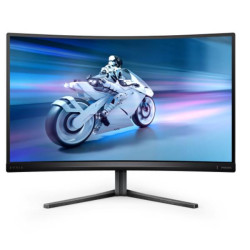
27 EVNIA...
-

27 Full HD...
-

27 inch...
-
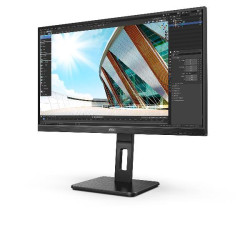
27 MONITOR...
-
27 MONITOR...
-
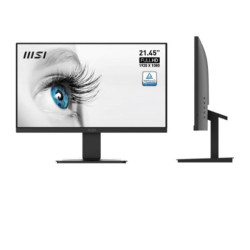
27 MONITOR...
-
27 MONITOR...
-

27 MONITOR...
-

27 MONITOR...
-
27 MONITOR...
-
27 MONITOR...
-
27 MONITOR...
-
27 MONITOR...
-

27 MONITOR...
-

27 MONITOR...
-
27 QHD...
-
27 VA 2K...
-
28 16:9 AOC...
-
31 5...
-
31 5...
-
31 5...
-
31 5...
-
31 5...
-

31.5 AOC...
-

31.5...
-
32 FHD...
-

32 MONITOR...
-
32 QHD...