Nuovo
 Visualizza ingrandito
Visualizza ingrandito
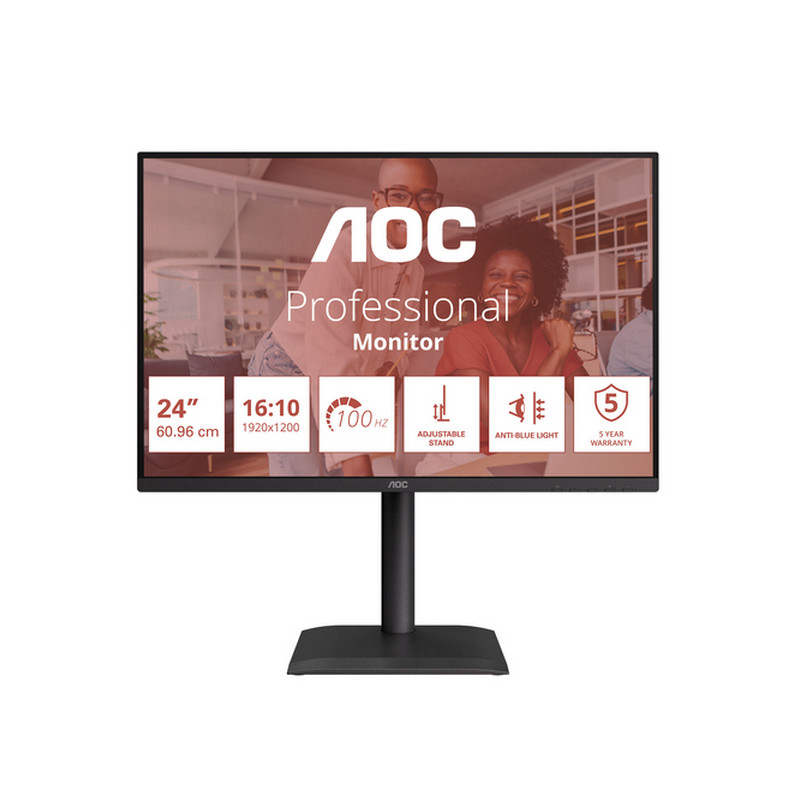
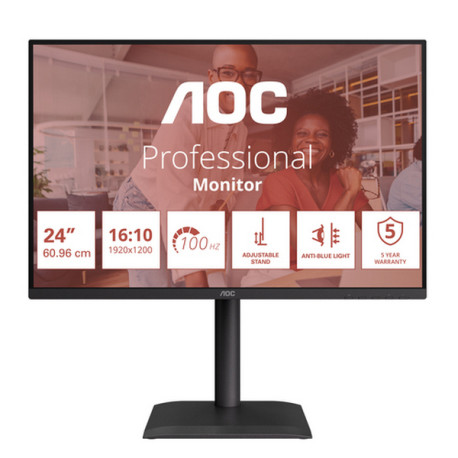
AOC E4 X24E4U, 61 cm (24"), 1920 x 1200 Pixel, Full HD, LED, 4 ms, Nero
MPE104147-RC-1
Nuovo prodotto
Maggiori informazioni
I prodotti elettrici o elettronici possono contenere piccole quantità di sostanze pericolose (RoHS). Per ogni prodotto conforme alla normativa RoHS viene verificata la presenza di Piombo (Pb), Cadmio (Cd), Mercurio (Hg), Cromo esavalente (Cromo VI), Bifenili polibromurati (PBB) ed Etere di difenile polibromurato (PBDE). Per il Cadmio e il Cromo esavalente può essere presente una concentrazione massima dello 0,01% del peso del prodotto. Per Piombo, PBB e PBDE non si può andare oltre lo 0,1%. Ogni prodotto conforme alla normativa RoHS può avere 100 ppm o meno di mercurio e il mercurio non deve essere stato intenzionalmente aggiunto.
A+ significa che un prodotto è il classificato della sua categoria in termini di efficienza energetica. Il sistema di Etichettatura Energetica si basa sulla Direttiva europea 2010/30/EU.
TCO Certified is the world’s most comprehensive sustainability certification for IT products, helping you make responsible product choices that drive the industry in a sustainable direction. Using TCO Certified also supports your organization’s efforts to reduce risk and take the next step in social and environmental responsibility.
The Electronic Product Environmental Assessment Tool (EPEAT) is a global ecolabel for the IT sector. The EPEAT program provides independent verification of manufacturers’ claims and the EPEAT online Registry lists sustainable products from a broader range of manufacturers than any comparable ecolabel. National governments, including the United States, and thousands of private and public institutional purchasers around the world use EPEAT as part of their sustainable procurement decisions. EPEAT helps purchasers, manufacturers, resellers, and others buy and sell environmentally preferable electronic products. EPEAT-registered products must meet environmental performance criteria that address: materials selection, supply chain greenhouse gas emissions reduction, design for circularity and product longevity, energy conservation, end-of-life management and corporate performance. Bronze-rated products meet all of the required criteria in their category. Silver-rated products meet all of the required criteria and at least 50% of the optional criteria, while Gold-rated products meet all of the required criteria and at least 75% of the optional criteria.
REACH (Registration, Evaluation, Authorization, and Restriction of Chemicals) is a regulation of the European Union, adopted to improve the protection of human health and the environment from risks that can be posed by chemicals.
The letters ‘CE’ appear on many products traded on the extended Single Market in the European Economic Area (EEA). They signify that products sold in the EEA have been assessed to meet high safety, health, and environmental protection requirements. When you buy a new phone, a teddy bear, or a TV within the EEA, you can find the CE mark on them. CE marking also supports fair competition by holding all companies accountable to the same rules. CE marking is a part of the EU’s harmonisation legislation, which is mainly managed by Directorate-General for Internal market, Industry, Entrepreneurship and SMEs. The CE marking for Restriction of Hazardous Substances is managed by Directorate-General for Environment. Comprehensive guidance on the implementation of EU product rules can be found in the so-called Blue Guide.
30 altri prodotti della stessa categoria:
-
27 AOC...
-

27 AOC...
-
27 EVNIA...
-

27 Full HD...
-

27 inch...
-
27 MONITOR...
-
27 MONITOR...
-
27 MONITOR...
-
27 MONITOR...
-

27 MONITOR...
-

27 MONITOR...
-
27 MONITOR...
-

27 MONITOR...
-
27 MONITOR...
-
27 MONITOR...
-
27 MONITOR...
-

27 MONITOR...
-
27 QHD...
-
27 VA 2K...
-
28 16:9 AOC...
-
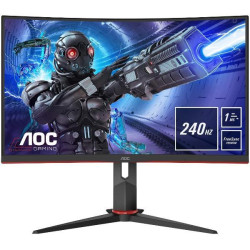
31 5...
-
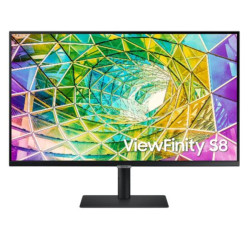
31 5...
-
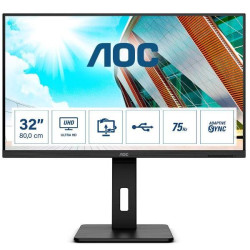
31 5...
-
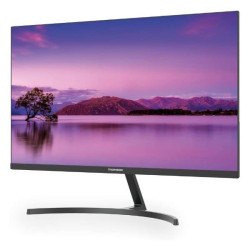
31 5...
-
31 5...
-
31.5 AOC...
-

31.5...
-
32 FHD...
-

32 MONITOR...
-
32 QHD...